
Why Localisation Determines Success in Southeast Asia
A US food brand launched in Thailand with an award-winning product. The marketing won a Cannes Lion. Sales were dismal. Here's why.
Thai consumers found the product too salty, the portion size wasteful, and the price point unjustifiable. Every element that made the product successful in Western markets made it irrelevant in Thailand. Localisation is not a nice-to-have. It is the entire game.
What Localisation Actually Means — and What It Doesn't
Most companies think localisation means translating their website and printing packaging in Thai or Bahasa. That is not localisation. That is translation. True localisation means asking a far harder question: What does this market actually want?
Success Story: McDonald's: A Masterclass in Localisation

McDonald's Southeast Asia menu looks nothing like the US version. In Malaysia, the McD Rendang Burger captures local beef rendang flavours. In Singapore, the Nasi Lemak Burger — served with sambal chilli and fried egg — became a cultural phenomenon and sold out within days of launch. In Indonesia, the menu is entirely Halal-certified with rice-based options. McDonald's didn't compromise their brand; they embedded it into the local food culture. By 2022, McDonald's APAC region (including SEA) was one of its fastest-growing markets globally, with same-store sales up 17.2% year-over-year.
Cautionary Tale: Home Depot's Premature Asia Expansion
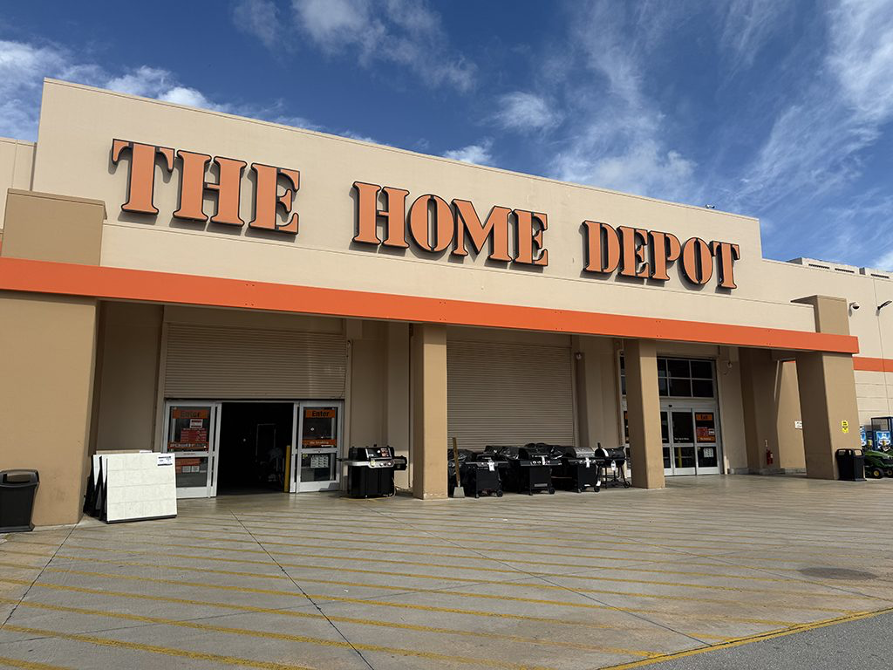
Home Depot entered China expecting to replicate the 'DIY home improvement' model that made them the world's largest home improvement retailer. They failed to recognise that Chinese (and Southeast Asian) consumers overwhelmingly prefer hiring contractors rather than doing it themselves. The entire premise of the business model didn't translate culturally. After seven years and $160 million in losses, Home Depot withdrew from China entirely in 2012. The cultural assumption — that people want to fix their own homes — was never validated.
The Four Dimensions of True Localisation
Product — Adapt formulations, sizes, and specifications to local preferences. Maggi noodles uses entirely different flavour bases in Vietnam vs Thailand vs Indonesia.
Pricing — Sachet economics matter. A $2 product won't sell to a $400/month consumer. Design your price architecture for the income reality, not your margin model.
Communication — Language is only the surface. Humour, aspiration, family values, and social hierarchies are communicated differently across cultures. A Vietnamese ad that works beautifully may confuse a Filipino audience entirely.
Channel — Where consumers discover and buy products differs vastly. TikTok Shop dominates in Vietnam. Facebook Marketplace drives sales in the Philippines. LINE is central in Thailand.
What's your biggest takeaway or challenge when entering SEA markets? Drop it in the comments below.
About Us
Curt & Co Pte Ltd is a consulting company started amongst a group of business owners who were looking for a consulting company themselves for advice !
Our offices and our focus markets are in Philippines, Indonesia, Singapore, Vietnam and Malaysia. With clients ranging from 1 man operating SMEs to listed companies, we are proud to have helped our clients across different industries gain market entry into the South East Asian region.
Contact us at marcus@curtconsult.com if you want to talk!

Comments